05 Jun 2026
Natural vs Artificial Dimples
Natural vs Artificial Dimples: What’s the Difference? - Published Dimples are often associated with charm, youthfulness, and an attractive smile. While some people are naturally bl...
Natural vs Artificial Dimples: What’s the Difference? - Published
Dimples are often associated with charm, youthfulness, and an attractive smile. While some people are naturally blessed with dimples, others opt for cosmetic procedures to achieve them. With dimpleplasty trending on social media and among influencers, many people are curious about the real differences between natural dimples and artificial dimples.
This detailed guide covers science, aesthetics, procedures, risks, trends, and FAQs, helping you clearly understand both types.
What Are Dimples?
Dimples are small indentations that appear on the skin—most commonly on the cheeks or chin—especially when smiling.
They occur due to variations in facial muscle structure and skin attachment.
Natural Dimples: Explained
What Causes Natural Dimples?
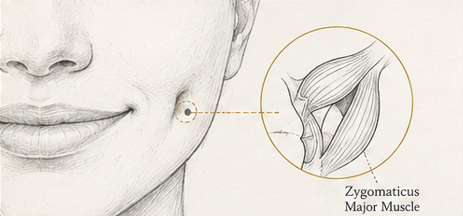
Natural cheek dimples are usually caused by a shortened or split facial muscle called the zygomaticus major. When you smile, this muscle pulls the skin inward, creating a visible indentation.
Key Characteristics of Natural Dimples
- Present from birth or early childhood
- Often hereditary (passed through genes)
- Appear mainly when smiling
- Unique in shape, depth, and placement
- May fade with age due to skin laxity
Types of Natural Dimples
- Cheek dimples – most common and admired
- Chin dimples (cleft chin) – caused by incomplete fusion of jaw bones
Pros of Natural Dimples
✔ No medical intervention
✔ Completely natural appearance
✔ No risk or recovery time
Cons of Natural Dimples
✖ Cannot be chosen or customized
✖ May reduce in visibility over time
Artificial Dimples: Explained
What Are Artificial Dimples?
Artificial dimples are created through a cosmetic surgical procedure called dimpleplasty, designed to mimic natural cheek dimples.
How Dimpleplasty Works
- A small incision is made inside the cheek (no external scars)
- A suture connects the cheek muscle to the skin
- When healed, this creates an indentation when smiling
Key Characteristics of Artificial Dimples
- Created intentionally through surgery
- Can be customized (placement, depth, symmetry)
- Initially visible even without smiling
- Become more natural-looking over time
Pros of Artificial Dimples
✔ Choice of location (left, right, or both cheeks)
✔ Quick procedure (20–30 minutes)
✔ Minimal downtime
✔ High popularity among influencers
Cons of Artificial Dimples
✖ Surgical risks (infection, swelling)
✖ Results may not look fully natural in some cases
✖ Can fade or change over time
Natural vs Artificial Dimples: Quick Comparison
| Feature | Natural Dimples | Artificial Dimples |
| Origin | Genetic | Cosmetic procedure |
| Customization | Not possible | Fully customizable |
| Appearance | Naturally blended | Initially prominent |
| Permanence | Usually lifelong | Semi-permanent |
| Cost | Free | Paid procedure |
| Risk | None | Low surgical risk |
| Recovery | Not required | 3–7 days |
Trending Information (2025–2026)
Why Artificial Dimples Are Trending
- Instagram & short-video platforms boosting facial aesthetics
- Celebrity and influencer popularity
- Non-invasive cosmetic culture growth
- Increased acceptance of minor cosmetic procedures
Latest Trends
- Subtle micro-dimples instead of deep indentations
- Asymmetrical single-cheek dimples
- Temporary or reversible dimple techniques under study
- Combined procedures with lip enhancement or jawline contouring
Search trends show rising interest in:
- “Dimpleplasty cost”
- “Natural-looking dimples surgery”
- “Cheek dimple before and after”
Are Artificial Dimples Safe?
When performed by a qualified cosmetic surgeon, dimpleplasty is considered low-risk. However, like any procedure, it may involve:
- Temporary swelling
- Mild pain
- Infection (rare)
- Over-deep dimples if not planned properly
Choosing an experienced practitioner is crucial.
FAQs: Natural vs Artificial Dimples
1. Are dimples considered attractive?
Yes. Across cultures, dimples are often associated with youthfulness, friendliness, and beauty.
2. Can natural dimples disappear?
Yes. Weight changes, aging, and reduced skin elasticity can make them less visible.
3. Do artificial dimples look fake?
Initially, they may appear more visible. Over time, they usually settle and look more natural.
4. Is dimpleplasty permanent?
It is considered semi-permanent. In some cases, dimples may fade after months or years.
5. Is the procedure painful?
The procedure uses local anesthesia, so pain is minimal.
6. Can artificial dimples be removed?
Yes. In many cases, the suture can be released to reduce or eliminate the dimple.
7. Who should avoid dimpleplasty?
People with active oral infections, poor healing ability, or unrealistic expectations should avoid it.
8. Are artificial dimples noticeable when not smiling?
Initially yes, but they usually become smile-dependent as healing progresses.
Dr. Divya Sai Narsingam, MCh (Plastic Surgery)
Consultant Plastic & Reconstructive Surgeon | AIG Hospital , Room 20, banjara hills
Consultation time : 4-5pm
Phone: +91 99001 35489 | Email: drdivyaplasticsurgeon@gmail.com
Website: drdivyaplasticsurgeon.com