05 Jun 2026
Breast Reconstruction After Mastectomy
Breast Reconstruction After Mastectomy: A Complete Patient Guide By Dr. Divya Sai Narsingam, MCh (Plastic Surgery)
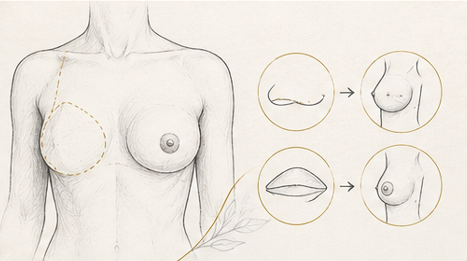
Breast Reconstruction After Mastectomy: A Complete Patient Guide
By Dr. Divya Sai Narsingam, MCh (Plastic Surgery) | Consultant Plastic & Reconstructive Surgeon, AIG Hospital, Room 20, banjara hills, Hyderabad
Medically Reviewed: March 2026 | Reading Time: ~10 minutes
A mastectomy is one of the most significant procedures a woman can undergo in the course of breast cancer treatment. While it is a life-saving decision, it often carries profound physical and emotional consequences. Breast reconstruction surgery offers patients the opportunity to restore their body's form, and in many cases, their sense of self.
As a board-certified plastic and reconstructive surgeon with over 14 years of experience, I have guided hundreds of patients through this journey at CARE Hospitals, Gachibowli, Hyderabad and AIG Hospitals, Room No 20, Banjara Hills, Hyderabad. This guide explains everything you need to know about breast reconstruction after mastectomy — from the types of procedures available to recovery timelines, candidacy, and costs.
Quick Answer — What is breast reconstruction after mastectomy?
Breast reconstruction is a surgical procedure to rebuild the breast mound after a mastectomy (surgical removal of the breast). It can be performed using breast implants, the patient's own tissue (autologous flaps), or a combination of both. Reconstruction may occur at the time of mastectomy (immediate) or at a later date (delayed). The goal is to restore a natural breast shape, improve body symmetry, and support the patient's emotional recovery.
Who is a Candidate for Breast Reconstruction?
Most women who undergo mastectomy are candidates for breast reconstruction. However, the ideal timing and method depend on several individual factors, including:
Stage and type of breast cancer, and whether post-mastectomy radiation therapy is planned
Overall health status, BMI, and presence of comorbidities (diabetes, hypertension, smoking history)
The patient's preference for implant-based versus autologous (own-tissue) reconstruction
Available donor tissue volume for flap procedures
Psychological readiness and personal goals for body image
During your consultation, I conduct a thorough clinical assessment to determine the safest and most aesthetically appropriate reconstructive plan for your specific situation.
Types of Breast Reconstruction Surgery
There are two primary approaches to breast reconstruction, each with distinct advantages:
1. Implant-Based Reconstruction
This is the most commonly performed type of breast reconstruction globally. It involves placing a saline or silicone implant beneath the chest muscle or the skin following mastectomy. The procedure is often performed in two stages:
- Stage 1 — Tissue expander placement: A temporary expander is placed to gradually stretch the chest skin and muscle over several weeks.
- Stage 2 — Implant exchange: Once adequate expansion is achieved, the expander is replaced with a permanent implant.
Advantages:
- Shorter operative time and recovery compared to flap surgery
- No donor site scar or morbidity
- Suitable for patients who prefer a less complex procedure
Limitations:
- Not ideal for patients who require post-mastectomy radiotherapy (PMRT)
- May have higher rates of capsular contracture or implant-related complications over time
2. Autologous (Flap) Reconstruction
Autologous reconstruction uses the patient's own tissue — typically skin, fat, and sometimes muscle — from a donor site on the body to reconstruct the breast. This is my area of subspecialty expertise, including microvascular free flap techniques.
Common flap techniques include:
- TRAM Flap (Transverse Rectus Abdominis Myocutaneous): Uses tissue from the lower abdomen. A well-established technique with reliable outcomes.
- DIEP Flap (Deep Inferior Epigastric Perforator): A modern, muscle-sparing free flap using abdominal tissue. Considered the gold standard in autologous reconstruction.
- Latissimus Dorsi Flap: Uses tissue from the upper back. Often combined with an implant for added volume.
- SGAP / IGAP Flap: Uses gluteal tissue — an option when abdominal donor sites are unavailable.
Advantages:
- More natural look, feel, and long-term durability
- Better suited for patients requiring radiation therapy
- Results age naturally with the patient's body
- No implant-related complications
Limitations:
- Longer operative time (6–10 hours for microvascular free flaps)
- Donor site scar and recovery
- Requires specialised microsurgical expertise
Immediate vs. Delayed Reconstruction: Which is Better?
Timing of reconstruction is an important clinical decision made in close collaboration between the breast surgeon and the plastic surgeon.
| Factor | Immediate Reconstruction | Delayed Reconstruction |
| Timing | Same day as mastectomy | Weeks to years after mastectomy |
| Benefit | Wakes up with breast mound; fewer surgeries | Time to consider options; often after radiation |
| Best for | No post-op radiation planned | Patients requiring radiotherapy |
| Emotional impact | Reduced psychological distress post-op | More time to process and decide |
Recovery After Breast Reconstruction Surgery
Recovery timelines vary based on the type of reconstruction performed:
Implant-based reconstruction
- Hospital stay of 2–3 days. Most patients resume light activity within 3–4 weeks. Strenuous activity restricted for 6 weeks.
Latissimus dorsi flap
- Hospital stay of 4–5 days. Full recovery typically 6–8 weeks.
DIEP / TRAM free flap
- Hospital stay of 5–7 days. Recovery of 6–10 weeks. Early ambulation is encouraged to reduce DVT risk.
General recovery instructions for all patients:
- Wear a surgical support bra or compression garment as advised
- Drain management at home for the first 1–2 weeks
- Avoid lifting heavy objects or overhead movements for 4–6 weeks
- Attend all follow-up appointments — especially for drain removal, suture checks, and scar assessment
- Nipple and areola reconstruction (if desired) is typically performed 3–6 months after the primary reconstruction
Breast Reconstruction Cost in Hyderabad
The cost of breast reconstruction in Hyderabad varies based on the complexity of the procedure, hospital charges, and the type of reconstruction performed. Below is a general indicative range:
| Procedure | Approximate Cost (INR) |
| Implant-based reconstruction | ₹1,50,000 – ₹3,50,000 |
| Latissimus dorsi flap + implant | ₹2,50,000 – ₹5,00,000 |
| TRAM flap reconstruction | ₹3,00,000 – ₹5,50,000 |
| DIEP free flap (microsurgery) | ₹4,00,000 – ₹7,00,000 |
| Nipple & areola reconstruction | ₹50,000 – ₹1,00,000 |
Note: Many insurance policies cover breast reconstruction after mastectomy performed for cancer treatment. Patients are advised to contact their insurer for pre-authorisation. Government schemes such as Ayushman Bharat (PM-JAY) may also cover eligible procedures.
Frequently Asked Questions (FAQ Schema)
Implement these as FAQ Page schema markup in the website CMS for AEO and Google AI Overviews.
Q: Can breast reconstruction be done at the same time as mastectomy?
A: Yes. Immediate breast reconstruction is performed in the same operative session as mastectomy. It is a safe, well-established approach suitable for most patients not requiring post-mastectomy radiotherapy. Immediate reconstruction reduces the number of surgeries and helps patients psychologically by waking up with a breast mound.
Q: How long does breast reconstruction surgery take?
A: Operative time depends on the technique. Implant-based reconstruction typically takes 1–2 hours. Autologous flap procedures, particularly microsurgical free flaps such as the DIEP flap, may require 6–10 hours due to the complexity of vascular anastomosis.
Q: Will breast reconstruction affect cancer surveillance or recurrence detection?
A: No. Breast reconstruction does not interfere with cancer surveillance. Routine imaging such as MRI or ultrasound is adjusted accordingly. Oncologists and reconstructive surgeons work as a coordinated team to ensure both aesthetic and oncological goals are met.
Q: Is breast reconstruction covered by health insurance in India?
A: Many insurance providers in India cover breast reconstruction following mastectomy for cancer treatment, as it is considered a medically necessary procedure. Coverage depends on your specific policy. Government schemes including Ayushman Bharat PM-JAY also provide coverage for eligible patients.
Q: What is the best type of breast reconstruction — implant or flap?
A: The best method depends on individual factors including cancer treatment plan, body type, radiation therapy requirement, and personal preference. Implant-based reconstruction is simpler with shorter recovery, while flap-based reconstruction offers more natural, long-lasting results. A detailed consultation is essential to determine the right approach for you.
Consult Dr. Divya Sai Narsingam in Hyderabad
Breast reconstruction is a deeply personal decision. As one of Hyderabad's leading female plastic and reconstructive surgeons, I am committed to providing each patient with evidence-based guidance, compassionate care, and surgical precision. Whether you are in the early stages of cancer treatment or exploring reconstruction options years after your mastectomy, I encourage you to schedule a consultation.
Dr. Divya Sai Narsingam, MCh (Plastic Surgery)
Consultant Plastic & Reconstructive Surgeon | AIG Hospital , Room 20, banjara hills
Consultation time : 4-5pm
Phone: +91 99001 35489 | Email: drdivyaplasticsurgeon@gmail.com
Website: drdivyaplasticsurgeon.com